






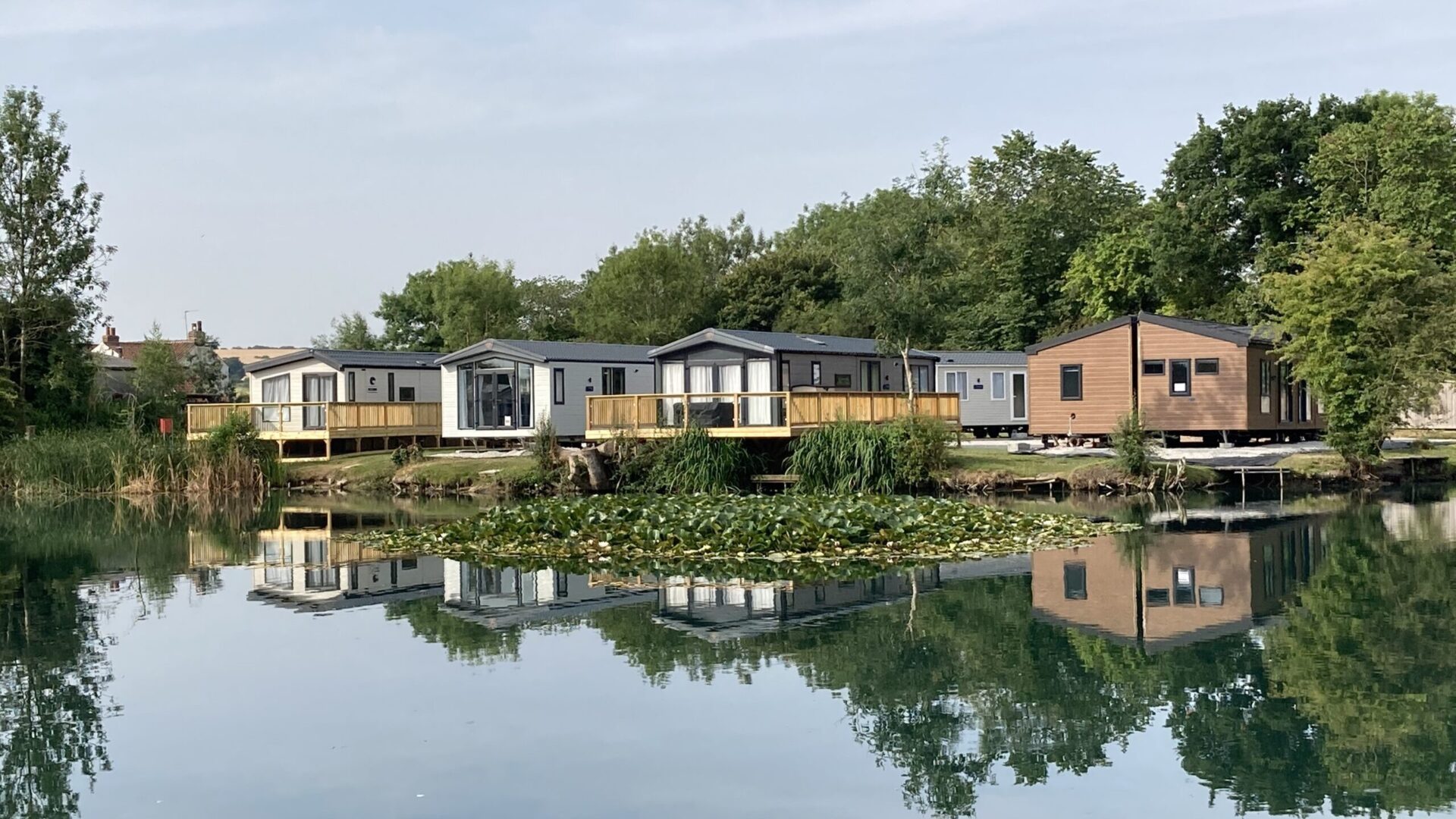

As we celebrate the 50th anniversary of Sanderson Weatherall’s, formerly Edwards & Partners, holiday and caravan park team, I found myself looking back at how the market has changed over the past five decades.
Edwards and Partners, one of the most iconic names in the caravan park sector, was founded by Paul Edwards back in 1976 from a single office in Devon, selling its first caravan park in 1977. Having enjoyed a great relationship with Paul, Sanderson Weatherall were selected and fortunate to acquire the business in 2013, where we have continued to provide expert advice to our long established, loyal and growing client base. It has been a pleasure to play our part in the continuation and further growth of such a great business and to see the sector continue to evolve.
You only need to look back at the mid-1970s to understand how drastically British holiday habits have changed. It was an era of straightforward holidaying, where a “caravan park” typically meant an open coastal field, a communal shower block, and a highly seasonal, local customer base. Many parks were first developed as ‘diversification’ for farmers utilising the vast parcels of land located in attractive and rural settings.
The industry has transformed, and whilst still retaining many independent and smaller family-group run parks, now includes large corporate operators, backed by institutional investment, operating sophisticated and high-yielding assets across multiple sites.
The market’s journey over the last five decades can be broadly tracked across three eras:
- 1970s–1980s (The Domestic Travel Boom): Rising disposable incomes turned static caravans into a symbol of newfound holiday freedom. Parks expanded from simple fields into more structured sites offering swimming pools and basic entertainment. Farm diversification during this time drove a significant increase in the number of parks.
- 1990s–2000s (The Premium Shift): Advancements in the standards of caravans, including larger and twin-unit luxury lodges transformed consumer expectations. Static parks transitioned into a “home-from-home” experience with the widespread introduction en-suite bathrooms, central heating and double glazing. These improvements enabled holiday homes to be used throughout the year prompting many sites to operate a longer holiday season.
- The Modern Era (Institutional Influx): Today, the holiday park sector is a powerhouse of the UK leisure market and caters for a huge range of holiday options, including the traditional static caravan holiday up to high end lodge and glamping retreats. The sustained appetite for domestic travel combined with a shift towards high-end tourism, such as experience led holidays, luxury lodges with facilities, glamping breaks, and wellness retreats continues to drive the evolution of the sector.
The Modern Caravan Park Valuation: The “Profits Method”
Fifty years ago, selling and valuing a caravan park was a relatively straightforward property transaction, heavily weighted toward the value of the land. Today, it requires expert and specialist knowledge to assess and appraise the value of the operational business located and operating from that land.
Valuation appraisals of caravan and holiday parks use the receipts and expenditure (aka profits) method of valuation which is used to assess the fair maintainable trade (FMT) and profitability (FMOP) of that business. This requires a valuers detailed analysis and understanding of the trading accounts for the business, and benchmarking revenue streams, overheads and expenditure against other comparable trading assets.
In determining value there are the following primary revenue streams:
- Pitch Fees & Ground Rent: A stable and secure income generated from private caravan owners who pay an annual fee to keep their units on the park. This is often viewed by investors as the most secure element of a cash flow and underpins the value of many businesses, particularly in more uncertain economic times.
- Caravan Sales: Driven by the constant churn of privately owned caravans or the development of new pitches, the sale of static caravans and holiday lodges controlled by the park operator provides a lucrative revenue stream. However, the number of caravan sales can fluctuate significantly, being more closely affected by prevailing economic conditions.
- Holiday letting accommodation: The seasonal revenue generated from the short term holiday letting of park-owned accommodation and/or touring caravan / tent pitches.
- Ancillary Income: Other income that is generated within the operational holiday park and can include food & beverage offers, retail, amusement & leisure facilities and park activities. Depending upon the facilities such income can contribute a substantial proportion of revenue, though requires a wider operational expertise and carries additional costs of sale and overheads.
Navigating the ever changing landscape
Operators who have thrived over the decades are those who successfully navigated and embraced changing trends and understood that trading and operational businesses cannot stand still. Continued investment and innovation are required to maintain, maximise and grow revenue streams whilst effective management and operational expertise is required for strong cost control and operational efficiencies.
We continue to see opportunities for independent park owners and corporate operators alike, with opportunities to put their own stamp on new acquisitions and there remains a continued strong demand for parks, particularly parks of scale and those located in the most sought after and established holiday areas.
Opportunities remain for operators to embrace new technologies and infrastructure with a growing, though more discerning client base. Green credentials and facilities such as EV charging and robust Wi-Fi networks are some of the key requirements from a younger generation of holiday makers.
Looking back at the past 50 years reminds us that while the caravans have evolved from basic plywood structures to the highest end luxury lodges, the core appeal remains entirely unchanged: a simple enduring desire to get away from day to day life and enjoy a holiday away from home.
We look forward to the next 50 years advising clients across this specialist and unique sector.