






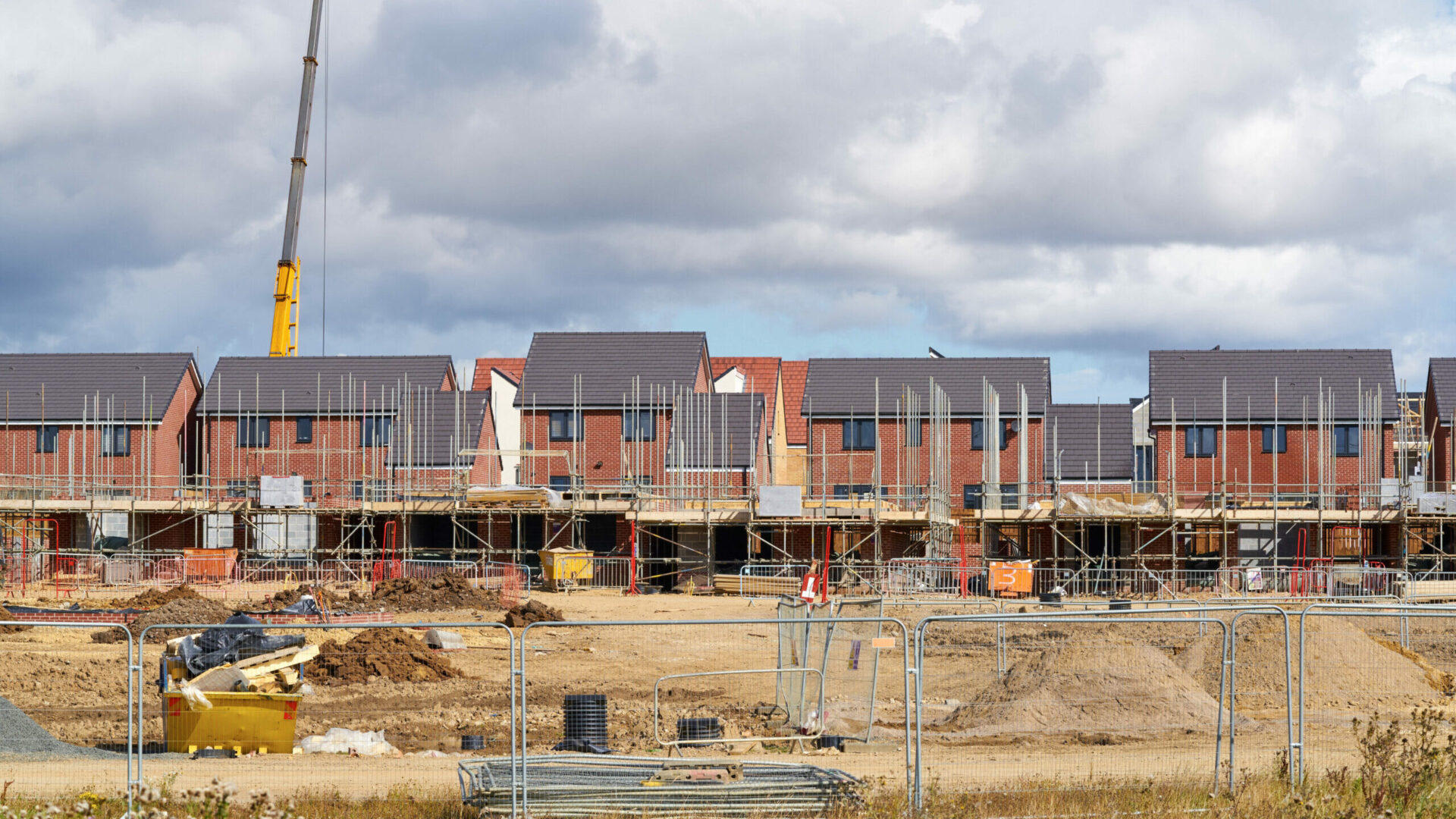

UK construction costs have increased significantly over the last year. Guy Owen, Partner in our Manchester Building Consultancy team considers what the next 12 months will bring and what increases in costs might mean for residential developers.
Inflation has been widely reported throughout the UK in recent months with the cost of living increasing steadily month on month.
Construction activity has certainly contributed to the overall level of inflation in the last 12 months, recent data from BCIS indicates that some fundamental construction materials such as timber and steel has increased in cost by around 80% since January, reaching a 40-year high. Material costs across the board have increasing by almost 20% with an increase in labour costs compounding the problems faced by developers.
As a Development Monitoring Surveyor working with funders and developers in the North West on a wide range of developments from single luxury residential new builds to tower block office conversions of 100+ units, I have gained a good insight into the effects of rapidly rising construction costs.
From my own research and discussions with developers, the key factors which have caused such significant increases in construction costs over the last 12 months include:
- Reduced supply levels due to Covid restrictions and robust demand for new homes, construction, materials and labour
- HGV driver shortage and longer than usual lead times
- High demand for materials in other parts of the globe
- Panic buying and stock piling of materials by builders and contractors
- Reduction in labour availability as some EU workers returned to home countries following Brexit
- Record low interest rates and mortgage deals pushing up house prices
At the moment increased construction costs are currently being recuperated by most developers because the eventual sale prices of completed homes are generally significantly higher than the valuations carried out when their development was in the planning and feasibility stages sometimes up to 18 months or more prior to completion. Halifax confirmed that house prices have increased at the fastest pace since 2006 just prior to the credit crunch, with the average UK home hitting a high of £273,000 in November.
The increases in build costs puts additional stress on contractors and developers and increases risk to lenders during the construction phases. We have already seen contingency budgets maxed out in the relatively early stages of some developments simply to cover the cost of increased materials and labour.
Rising costs are of particular concern for contractors who entered in to fixed price contracts prior to the major construction cost increases. They are feeling the pain as they are not normally able to apply for additional payments under the terms of a fixed priced contract. We have seen examples of developers and contractors adjusting the terms of their contracts and developers making additional payments to ensure that their contractor remains solvent and is able to complete their development. Ultimately, it would usually be more cost effective to pay an existing contractor more than it would to let them become insolvent and then attempt to tender the remainder of a part-built development in the current market.
Other programme issues have been reported on smaller sites due to some trades simply not turning up for work. Sometimes this is down to Covid isolation, other times the tradesman can simply earn more at another site. General labour shortages and high demand have led to programme slippage and increases in preliminary and management costs.
It is of course impossible to predict with certainty where costs will go in the future. Over the next 12 months I expect material and labour costs to cool down compared with what we have seen in 2021, with costs increases still outpacing inflation but in closer alignment with general inflation. This year’s increases are not sustainable over a long period.
Factors next year such as rising energy and fuel costs along with continued strong demand for construction are likely to keep prices relatively high. I would advise developers to increase their contingency budgets and seriously consider the possibility of further cost increases over the duration of their developments. Developers and contractors would be advised to work much more closely with each other and be realistic and honest about how they will deal with rising costs, and I expect contractors will become more reluctant to sign up for work on a fixed price basis.