






I’m sure that many of the readers of this article, like me and my colleagues, were expecting 2022 to be a year of recovery, and notwithstanding the Omicron variant of Covid-19 that raised its head in the early part of the year, on the most part, it still was, as many businesses enjoyed a revival in trading fortunes as the final pandemic restrictions faded away. However, none of us could have anticipated what was to come next, with war in Ukraine and an energy crisis dominating headlines and ultimately leading to increasing cost of living pressures for us all, as inflation hit a 40 year high of 11.1% in November.
So how did the leisure industry cope with this? Well, it did what it always does, it changed and evolved. Some businesses took measures to restrict opening hours, others changed the way they delivered their service to reduce costs and whilst some businesses faded away and failed, others poked their head above the parapet and opened new venues or saw the opportunity to expand their portfolios by acquiring assets and giving them a new lease of life.
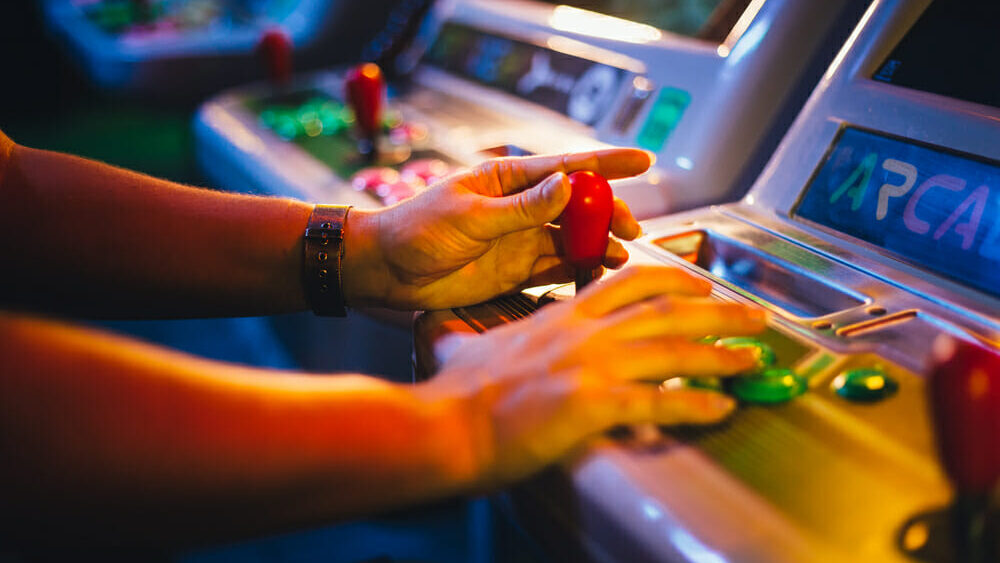
Exciting new openings that we have seen in the last 12 months or so have included The WC Gin Closet (perhaps Newcastle’s smallest bar), NQ64 and Four Quarters, both of whom are bars with a retro arcade and video game focus, and will no doubt bring pangs of nostalgia and perhaps déjà vu for many punters, who will remember games like Pac-Man, Out Run and Street Fighter from the first time around.
The closure of many high street retailers has also led to opportunities for many leisure operators, with empty retail units (especially in shopping centres) being ripe for conversion to alternative leisure uses such as escape rooms, indoor climbing, padel tennis, children’s soft play, or even, so called ‘rage rooms’. Venues where stress filled adults can cut loose and take out their frustrations by smashing crockery, redundant appliances and other items with a sledgehammer.
Another interesting development over the last few years has been the development of ‘fan parks’, often large open plan indoor or outdoor spaces, where fans who are unable to get tickets to see their beloved team, or perhaps cannot afford to travel overseas, can congregate to watch the game on the big screen and enjoy at least some of the camaraderie they would experience in the ground. Newcastle’s International Centre for Life has capitalised on this by using the large open space of Times Square in this way. Clearly these fan zones have been such a success, that national operators are now actively seeking sites for this use, sites of in excess of 10,000 sq ft, with a minimum of 5,000 sq ft of outdoor space, mean that these venues will be mega sites in most towns and cities.
Of course, bringing leisure uses to these properties is not without its problems. Changing planning use has been simplified to a certain extent with the introduction of Use Class E, which incorporates Shops, Cafes & Restaurants and allows easy conversion between the uses. But other activities such as public houses, which require sui generis planning, or sports activities, which generally require D2, may require a more detailed change of use application. There’s also the issue of gaining appropriate licensing for what you want to do, but that’s one for the specialist licensing lawyers to consider.