







The Conservative manifesto included a commitment to review business rates and stated:
“We will cut the burden of tax on business by reducing business rates. This will be done via a fundamental review of the system”
In relation to cutting the burden of the tax, much of the burden that they will be cutting is that which it is imposes on the Valuation Office Agency (VOA) who are an executive agency of HMRC, rather than the financial or administrative burden to the taxpayer, which will both increase.
The fundamental, roots and branches, reform that many businesses and trade bodies have called for now seem unlikely to be delivered by this Government and there are both some positives and negatives for the years ahead.
Autumn Budget 2021
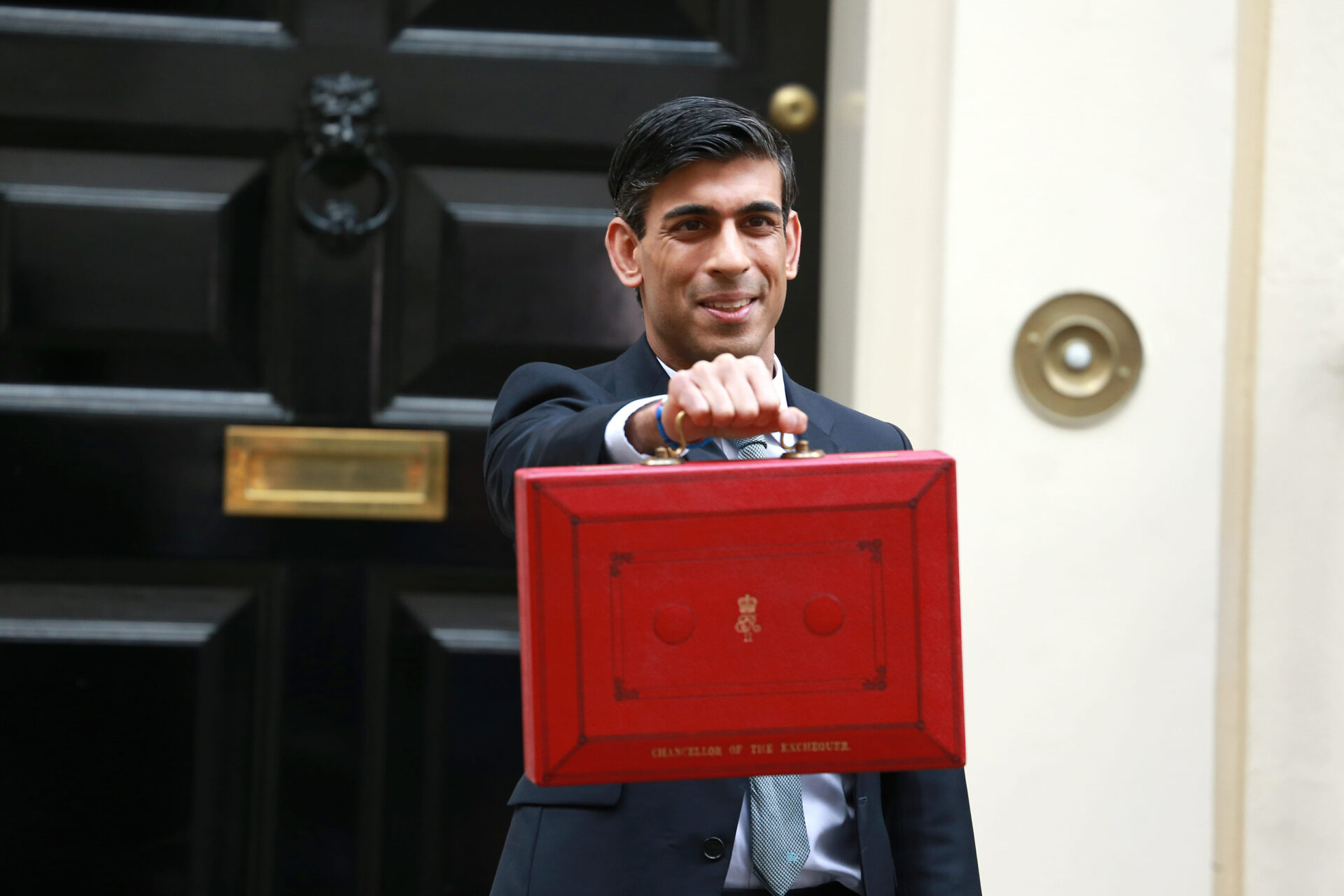
The Budget saw the Chancellor promise extensive support and investment for R&D and innovation, in order to position the UK as a “Science & Technology Superpower”. Business rates measures linked to this were:
- Business rates exemptions on green investment such as solar power.
- A business rates improvement relief, whereby no additional rates will be levied for 12 months on extensions or new plant and machinery.
Following the pandemic and the impact this has had on business, Mr Sunak also pledged:
- A freeze in the rates multiplier for 2022/23, so that it will not increase in line with inflation and will remain the same as 2021/22 (which was itself the same as the preceding year). This should be automatically be applied by Local Authorities and businesses should not have to do anything to receive the benefit.
- A new 50% rates discount in 2022/23 for the retail, leisure and hospitality sector, but this comes with a cap of £110,000 per business. This is likely to require an application to each Local Authority to confirm the cap is not being breached.
Business Rates Review – Final Report
Coinciding with the Budget delivered on 27 October, the Government also published the findings of their fundamental review. This may be found here:
Of most significance:
- Previous promises of delivering a revaluation for all business properties in 2023 will be met, as will a move to 3 yearly revaluations going forwards.
- Transitional relief will be extended into 2022/23 for small and medium businesses, whereby the amount liabilities can increase / decrease each year is capped. Transition will remain a feature in the 2023 List although be subject to consultation concerning the design of the scheme.
- Ratepayers will be required to notify the VOA of changes to the occupier or physical property characteristics, and to provide rent and lease information to the VOA, as well as trade information used for valuation. These duties will be phased-in during the course of the 2023 list.
- The appeal system will be altered to remove the Check stage and a 3-month window for submission of Challenges will be introduced from 2026.
Conclusions
A freeze in rates does not cut the tax but rather prevents it from increasing in the short term and without further measures it will continue to increase in future years.
Through more frequent revaluations, the rates system will become more responsive to economic changes but the administrative burden on businesses is being increased in order to deliver this and to make the work of the VOA easier.
The introduction of a 3-month Challenge window unequivocally restricts the ability of businesses to contest their assessments and obtain a fair valuation. Advisors are not resourced in order to provide adequate advice to ratepayers in such a short timeframe and such a period of time is far too short to provide businesses with sufficient time to collate, review and analyse evidence, draw up schedules and provide a comprehensive case for a reduction. Errors would undoubtedly remain in a number of valuations as a consequence, with the ratepayer being deprived of the ability to correct these or have the opportunity to discuss these at a later date.