






With a large number of venues opening their doors over the past year, competition in the leisure sector has never been so fierce. And neither has the demand to come up with new, creative offerings to lure people in and get them to spend their hard-earned cash.
And one increasingly popular way to achieve that unique offering is by using forgotten buildings and spaces to create a really special venue. The majority of the time, this means repurposing a building for a different use than it was originally intended.
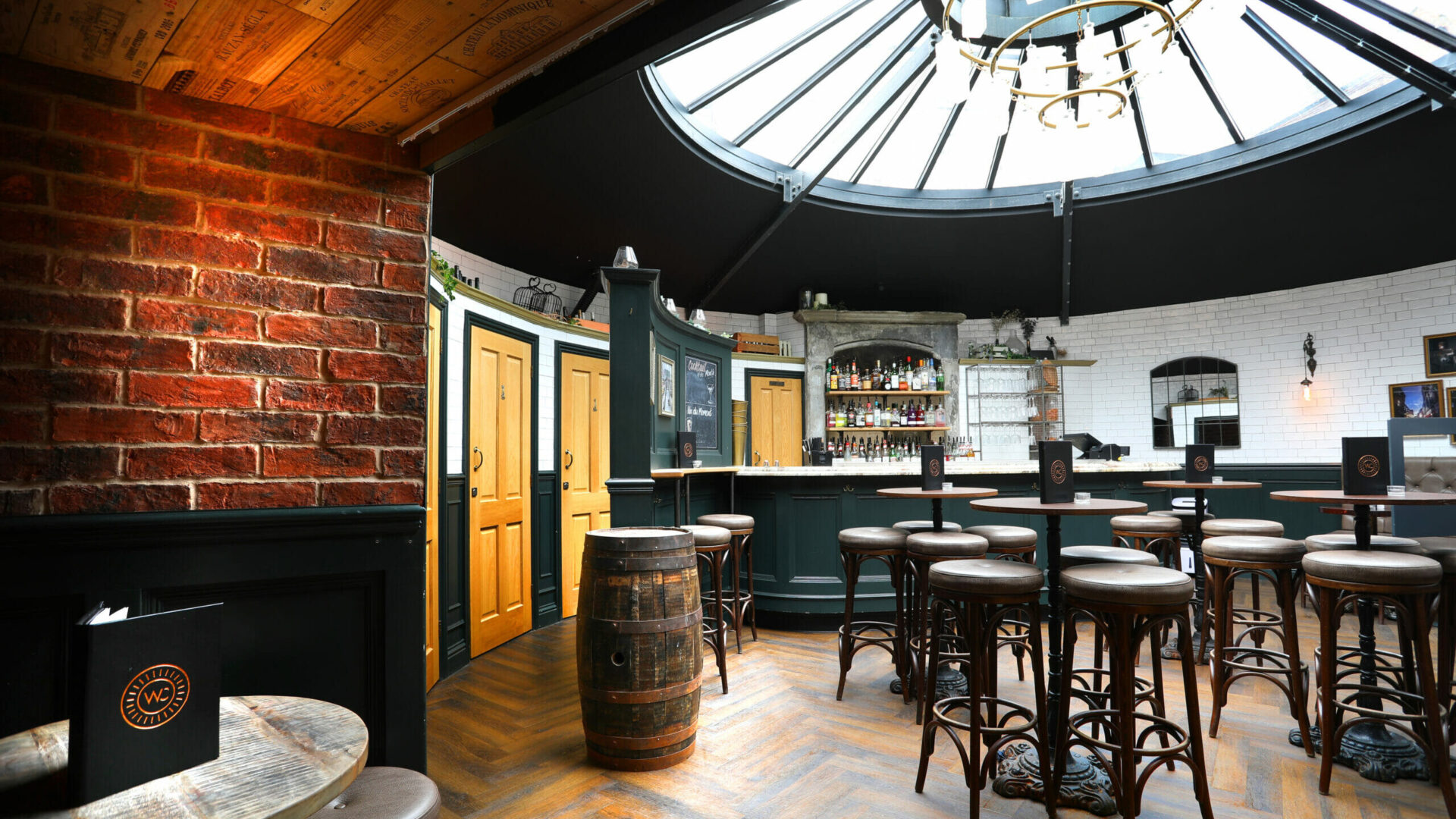
It’s a popular option for start-ups and established businesses looking for a USP in leisure sector. In the North East over the last few years we’ve seen operators such as Star and Shadow Cinema, a community led and funded social space, WC Newcastle wine bar, Confidence Coach gym in South Gosforth and Lane 7, a retro bar and eatery, all repurposing forgotten buildings.
From character buildings, churches, farm out buildings and banks, to industrial units being given a new lease of life and even public conveniences with the likes of the former gents public WC in the Bigg Market, these buildings provide amazing spaces for operators in the leisure sector to thrive.
Reusing these buildings can also come with a host of benefits. They’re often more sustainable choices, reducing a business’s carbon footprint when compared to building and fitting out a new building. They provide instant character, which is often complemented by a contemporary yet sympathetic fit-out, and they’re familiar to locals, providing a talking point within the community and generating a great buzz around a business.
Obviously, when reusing older building there a few things an occupier needs to be aware of. It can be difficult to know exactly what condition the building is in until floors, walls and ceiling are opened up, which can quickly add to costs and eat through any contingency. A listed building may also limit what can be done and would benefit from proactive engagement with the conservation officer at an early stage, to discuss what makes the building important from a conservation perspective. One final point to consider is operating costs. Thermal improvements and upgrades to energy performance on historic buildings can only go so far to offer a reasonable return on investment. This often leads to increased operating costs when compared to modern building stock.
With Newcastle and the wider region being home to so many iconic and distinctive buildings, there’s no doubt that they will continue to be a popular choice for leisure operators looking for a unique and creative venue.